Mr Scott
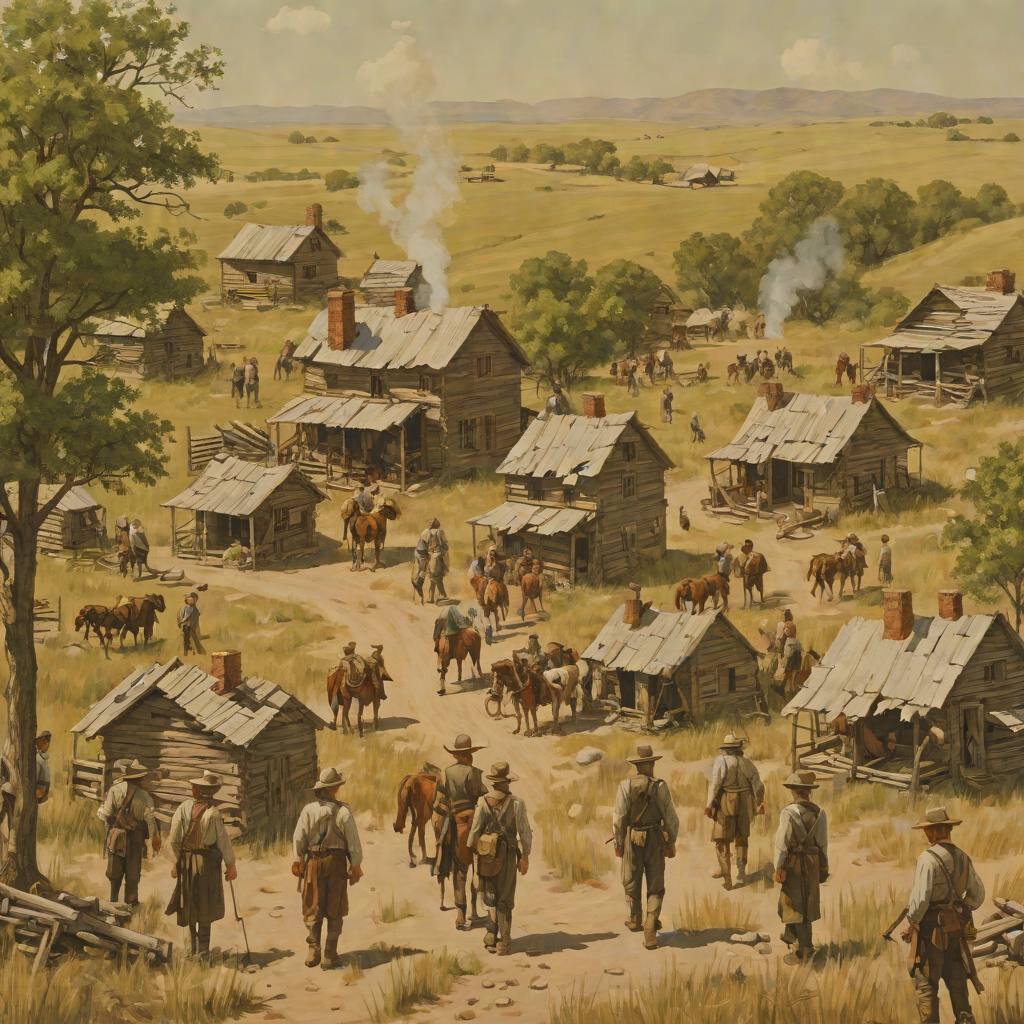
Little House on the PrairieMr Scott enters the story as one of the first settlers the Ingalls family encounters after arriving in Indian Territory. Pa, returning from a ride across the prairie, reports that settlers were coming in and building houses along both sides of the creek, and that not far away a man and his wife were building a house. Their name was Scott, and Pa said they were nice people. This brief introduction establishes Mr Scott as part of the small but growing white settlement on the High Prairie, a neighbor whose presence signals the beginning of the very process of white settlement that Pa had described as the reason for the family's westward move.
Role as Neighbor and Helper
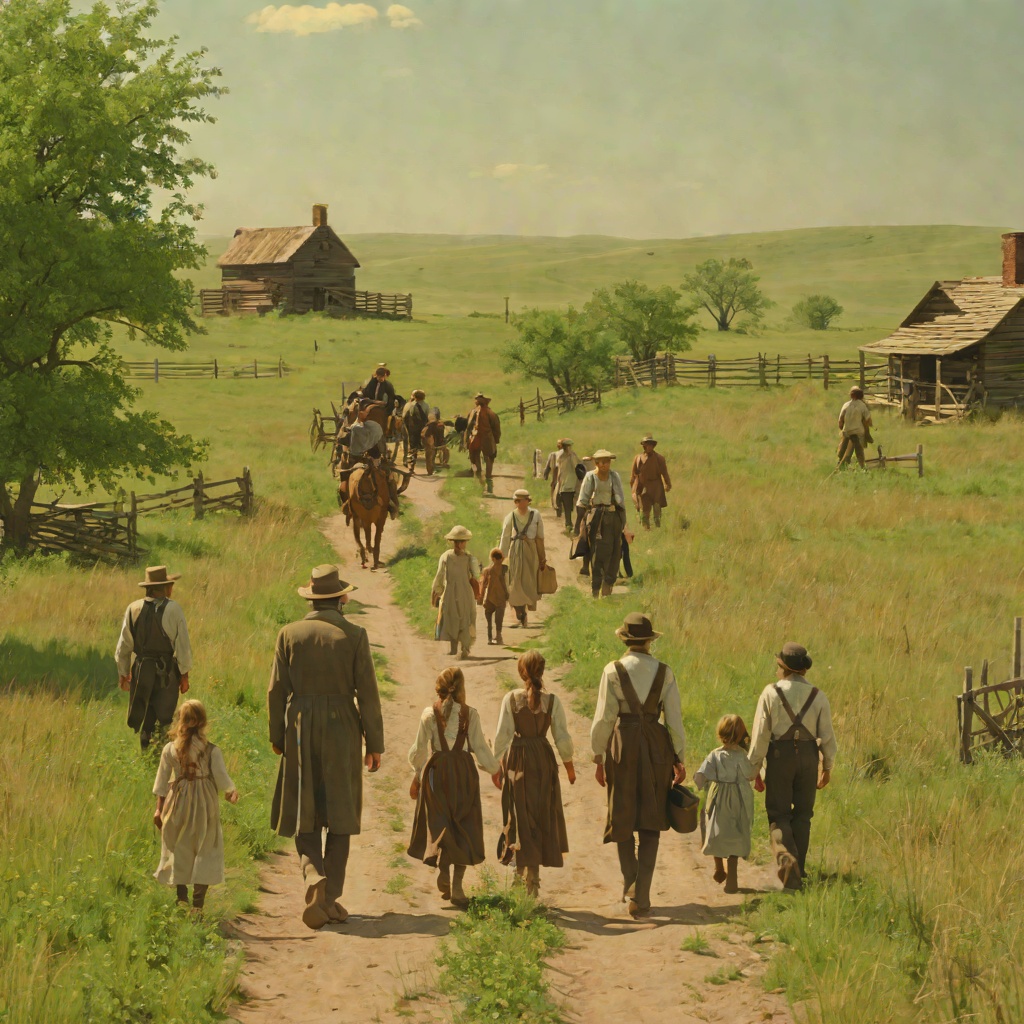
Mr Scott's practical role in the Ingalls family's life is cemented through shared labor. Later, Pa dug a well with Mr Scott's help, and after that the family no longer needed to fetch muddy water from the creek. This act of neighborly assistance is significant not only for the convenience it brings but also for what it represents: the mutual dependence of frontier settlers who must rely on one another for survival. The well, dug through joint effort, becomes a marker of the community being built on the prairie, a community of white settlers who have come to claim the land. Mr Scott's help is thus woven into the fabric of the family's daily life, a concrete contribution to the domestic comfort that Ma and the girls enjoy.
The Prairie Fire and the Fear of the Indians
Mr Scott's character takes on a darker dimension in the aftermath of the prairie fire. The night after the fire, Mr Edwards and Mr Scott came to see Pa, and they were worried. Mr Scott voiced a suspicion that the Indians had started the fire to frighten the settlers, suggesting that they wanted all the white settlers to leave. Pa disagreed, offering a more measured explanation that the Indians had always burned the prairie to make the green grass grow more quickly and to make it easier to ride their horses in shorter grass. This exchange reveals a fundamental divide between the two men: Pa, who has lived among and observed the Indians, sees their actions as part of a natural cycle, while Mr Scott, newer to the land and more fearful, interprets the same event as a hostile act. The tension between these two perspectives foreshadows the larger conflict over the land itself.
The Only Good Indian Is a Dead Indian
Mr Scott's most striking and revealing moment comes during the same conversation. As the men discussed the large number of Indians in the camps, Mr Edwards expressed his unease, saying there were too many Indians and that he did not like it. It was then that Mr Scott declared, 'The only good Indian is a dead Indian.' This blunt, brutal statement stands in stark contrast to Pa's more tolerant view, expressed in the same conversation, that the Indians are as good as anyone if they are left alone. Mr Scott's words crystallize the settler ideology of Indian removal, reducing an entire people to a threat to be eliminated. His statement is not merely an opinion but a reflection of the broader attitudes that justify the government's policy of moving the Indians west, a policy that Pa himself acknowledges even as he resists its most extreme expression. Mr Scott thus becomes the voice of the most uncompromising strain of settler colonialism, a man who sees the land as belonging to whites and the Indians as obstacles to be removed by any means necessary.
The Departure and the Gift of the Cow and Calf
Mr Scott's role in the story culminates in the family's sudden decision to leave Indian Territory. One day, Mary and Laura were washing dishes when they heard Pa's voice, loud and angry. They looked out and saw Mr Edwards and Mr Scott in the field with Pa. Pa was furious, declaring that he would not stay until the soldiers took him away like a criminal, and that Scott and Edwards had told him the government was sending soldiers to make the settlers leave. In this moment, Mr Scott is the bearer of the news that shatters the family's hopes, the messenger of the government's decision to remove white settlers from Indian Territory. Yet his role is not merely that of a herald of doom. As Pa prepared to leave, he turned to Mr Scott and said, 'Take the cow and the calf. You've been a good neighbour, and I'm sorry to leave you. But we're going in the morning.' This gesture of giving away the family's animals to Mr Scott is a final act of neighborly trust and generosity, a recognition of the bond that had been formed through shared labor and shared danger. Mr Scott, who had helped dig the well and who had voiced the darkest fears and prejudices of the settler community, is nonetheless the recipient of Pa's parting gift, a sign that even in the midst of anger and disappointment, the ties of frontier neighborliness endure.
Significance and Contrast with Pa
Mr Scott functions throughout the narrative as a counterpoint to Pa, embodying a more fearful and more hostile attitude toward the Indians. Where Pa sees the Indians as people who are as good as anyone if left alone, Mr Scott sees them as a threat to be eliminated. Where Pa interprets the prairie fire as a natural practice, Mr Scott sees it as an act of war. Yet both men are ultimately subject to the same forces of government policy, and both are forced to leave the land they have claimed. Mr Scott's willingness to accept the cow and calf, and his role in delivering the news of the soldiers' approach, place him at the center of the story's political drama. He is not a major character in terms of screen time, but his few appearances carry significant weight, marking him as a representative of the settler mentality that drives the novel's central conflict. His presence reminds the reader that the Ingalls family, for all their warmth and humanity, are part of a larger movement of white settlement that displaces the Indians, a movement that Mr Scott voices in its most naked and unforgiving form.